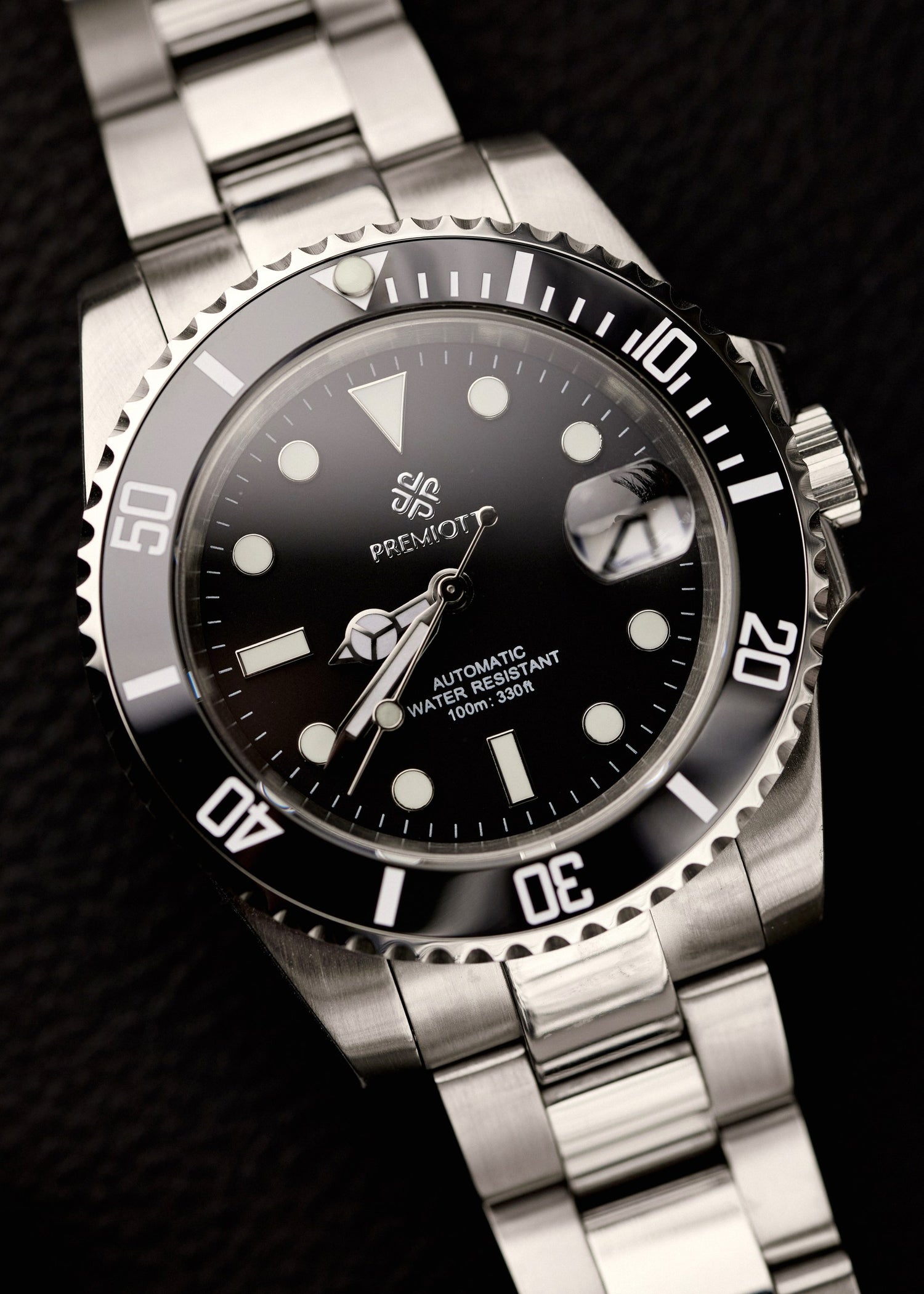

Ce înseamnă sticla safir la un ceas
Când citești specificațiile unui ceas, „sticlă safir" apare aproape mereu lângă „oțel inoxidabil" și „impermeabil la 3 ATM" — dar rareori explicat. Ce este, de fapt, safirul sintetic de pe cadranul unui ceas? Cu cât este mai rezistent decât sticla obișnuită? Și merită diferența de preț față de alternative mai ieftine, precum plexiglasul? Răspundem punctual, fără mituri, mai jos.
Ce este sticla safir
Sticla safir folosită la ceasuri nu are nimic de-a face cu piatra prețioasă purtată în inele. Este corindon sintetic — oxid de aluminiu cristalizat în laborator, la temperaturi de peste 2.000°C, până devine un bloc transparent, apoi tăiat și șlefuit în forma potrivită pentru cadranul ceasului. Chimic, este identică structural cu safirul natural, doar că este crescută controlat, fără impurități, special pentru rezistență și claritate optică, nu pentru bijuterii.
Procesul e costisitor și consumă timp — cristalul crește lent, iar tăierea și șlefuirea lui necesită scule cu diamant, pentru că puține materiale îl pot prelucra. De aici vine, în mare parte, și diferența de preț față de sticla minerală obișnuită.
Duritatea: de ce contează scara Mohs
Rezistența la zgârieturi a unui material se măsoră pe scara Mohs, de la 1 (talc, se zgârie cu unghia) la 10 (diamant). Sticla safir sintetică se situează la aproximativ 9 pe această scară — practic al doilea cel mai dur material folosit curent în industrie, după diamant.
Ce înseamnă asta în practică: praful obișnuit (cuarț, ~7), nisipul de pe plajă, cheile din buzunar sau o brățară metalică nu au cum să zgârie sticla safir — duritatea lor e cu mult sub 9. Singurele materiale care o pot zgâria sunt diamantul și câteva materiale sintetice foarte dure, folosite rar în viața de zi cu zi (carbură de bor, de exemplu). Practic, un ceas cu sticlă safir purtat normal — la birou, în oraș, la sport moderat — rămâne fără zgârieturi vizibile ani la rând.
Safir vs. sticlă minerală vs. plexiglas (hesalite)
La ceasuri, alegerea se face de obicei între trei materiale, fiecare cu compromisul lui:
Sticla minerală
Este sticlă tratată termic sau chimic pentru rezistență suplimentară, cu duritate Mohs de aproximativ 5-6. Se zgârie mai ușor decât safirul — cu nisip, chei, alte suprafețe dure — dar costă mult mai puțin de produs și e mai rar de spart la un impact.
Plexiglasul (hesalite / acrilic)
Este un material plastic transparent, cu duritate mult mai mică, deci se zgârie ușor. Diferența lui reală apare la impact: acrilicul este flexibil — la un șoc puternic tinde să se îndoaie sau să crape parțial, nu se sparge în cioburi. De aceea rămâne popular pe unele ceasuri de teren sau militare, gândite pentru șocuri fizice mari, unde flexibilitatea contează mai mult decât aspectul impecabil.
Sticla safir
Câștigă detașat la rezistența la zgârieturi, dar trebuie spus cinstit: duritatea mare vine la pachet cu o fragilitate mai mare la impact dur și punctual. Un material foarte dur este, prin natura fizicii, și mai puțin flexibil — la o lovitură violentă, concentrată pe o suprafață mică (o cădere pe colț, pe piatră), safirul poate crăpa sau chiar ciobi, în timp ce un plexiglas s-ar fi îndoit fără să cedeze. Pentru purtarea zilnică obișnuită, acest scenariu e rar; contează mai ales pentru cine practică sporturi de contact sau lucrează în condiții dure, unde un plexiglas sau o sticlă minerală ar putea fi, paradoxal, alegerea mai practică.
Concluzia echilibrată: safirul câștigă la aspectul care contează în 99% din purtarea zilnică — rezistența la zgârieturi — cu compromisul unei robusteți puțin mai mici la șocuri dure și concentrate.
Tratamentul antireflex
Un dezavantaj natural al sticlei safir este indicele de refracție mai mare decât al sticlei minerale, ceea ce înseamnă, fără tratament suplimentar, mai multe reflexii și un cadran mai greu de citit în lumină puternică. Soluția este un strat antireflex (AR) — un tratament optic depus pe suprafața sticlei, care reduce reflexiile și lasă mai multă lumină să treacă spre cadran. Rezultatul: un cadran mai lizibil, cu contrast mai bun, mai ales la soare direct.
La modelele Premiott, sticla safir de pe cadran are tratament antireflex pe partea din față, exact pentru acest motiv — citirea orei rămâne clară indiferent de unghiul luminii.
Safir bombat vs. plat
Forma sticlei influențează atât estetica, cât și comportamentul optic. O sticlă plată este mai simplă de produs, oferă un profil discret și reduce riscul de distorsiune vizuală pe margini. O sticlă bombată (domed), curbată ușor spre exterior, adaugă profunzime vizuală cadranului și amintește de stilul ceasurilor vintage, dar poate introduce reflexii suplimentare pe margini dacă nu are tratament antireflex bun. Niciuna nu e „mai corectă" — alegerea ține de stilul pe care îl cauți: modern și minimalist versus retro și cu volum.
De ce și capacul (caseback) e tot din safir
Pe un ceas automatic, mecanismul este partea cea mai interesantă de privit — rotorul care se mișcă la fiecare gest al încheieturii, roțile dințate, arcul care se încarcă. Un caseback din sticlă safir transformă capacul dintr-o simplă placă metalică într-o fereastră spre mecanism, fără să compromită protecția: aceeași duritate și aceeași rezistență la zgârieturi ca pe cadran.
Toate modelele Premiott au capac transparent din sticlă safir, prin care mecanismul Seiko NH35 rămâne vizibil în mișcare — util și pentru cine vrea, pur și simplu, să vadă „inima" ceasului pe care îl poartă, nu doar să o ghicească. Poți citi mai multe despre cum funcționează acest mecanism în ghidul automatic vs. quartz.
Cum ai grijă de sticla safir
Sticla safir cere puțină întreținere, dar nu e complet indestructibilă, așa că merită câteva reguli simple:
- Curățare — o cârpă moale, ușor umezită, e suficientă pentru amprente și praf. Evită materiale abrazive care ar putea zgâria tratamentul antireflex, chiar dacă nu ating sticla propriu-zisă.
- Impacturi dure — evită loviturile puternice și concentrate (colțuri de piatră, metal dur); duritatea mare a safirului nu înseamnă imunitate totală la șoc.
- Schimbări bruște de temperatură — nu sunt un risc real pentru safirul de pe un ceas în condiții normale de purtare, dar merită evitată expunerea extremă (saună urmată imediat de apă rece, de exemplu).
- Verificare periodică a garniturilor — etanșeitatea la apă nu ține de sticlă, ci de garniturile din jurul ei; o verificare din când în când la un ceasornicar menține rezistența la apă intactă pe termen lung.
Merită sticla safir?
Pentru un ceas purtat zilnic, ani sau chiar decenii, răspunsul scurt este da. Diferența față de o sticlă minerală nu se vede în prima lună, ci după primul an de purtare constantă: un cadran fără zgârieturi, care arată la fel de bine ca în prima zi, față de unul plin de urme fine, mai ales dacă porți ceasul la lucru manual, sport sau activități în aer liber. Compromisul — o robustețe ușor mai mică la impact dur și punctual — contează în practică doar pentru situații extreme, rare la un ceas de zi cu zi.
De aceea, la Premiott, toate modelele — The Mariner, The Just Date, The Heritage și The LadyJust — vin cu sticlă safir atât pe cadran, cu tratament antireflex pe față, cât și pe caseback, fără să fie o opțiune separată sau un upgrade de preț. Fiecare ceas se asamblează și se reglează manual în atelierul nostru din Cluj-Napoca și pleacă de la noi cu 24 de luni de garanție.
Întrebări frecvente despre sticla safir
Sticla safir se poate sparge?
Da, deși rar în purtarea normală. Duritatea foarte mare o face aproape imună la zgârieturi, dar, fiind un material mai puțin flexibil, un impact puternic și concentrat — o cădere pe colț, pe o suprafață dură — poate crăpa sau cioplui sticla, la fel cum s-ar întâmpla cu orice cristal foarte dur. Pentru activități cu risc mare de șoc fizic, merită multă atenție indiferent de materialul sticlei.
Care este diferența reală față de sticla minerală?
Rezistența la zgârieturi. Sticla safir are duritate Mohs ~9, față de aproximativ 5-6 la sticla minerală — diferența se vede clar după câteva luni sau un an de purtare zilnică, mai ales dacă ceasul intră în contact cu chei, brățări metalice sau suprafețe aspre. La impact dur, sticla minerală poate fi, în unele cazuri, ușor mai tolerantă, dar zgârieturile apar mult mai ușor.
Se zgârie sticla safir de la nisip sau praf?
Nu. Nisipul obișnuit și praful conțin în principal cuarț, cu duritate Mohs de aproximativ 7, mult sub cea a safirului sintetic (~9). Practic, expunerea la nisip pe plajă sau la praful de zi cu zi nu lasă urme pe o sticlă safir — unul dintre motivele pentru care e alegerea standard la ceasurile purtate constant.
Dacă vrei să vezi cum arată în practică un ceas cu sticlă safir pe cadran și caseback, cel mai simplu e să-ți compui propria configurație în configurator — poți alege și o gravură personalizată pe capac, până la 10 caractere, cu diacritice românești incluse. Iar dacă te interesează și povestea din spatele atelierului, o găsești pe pagina despre ceasurile asamblate în România.